0–6 m in your room
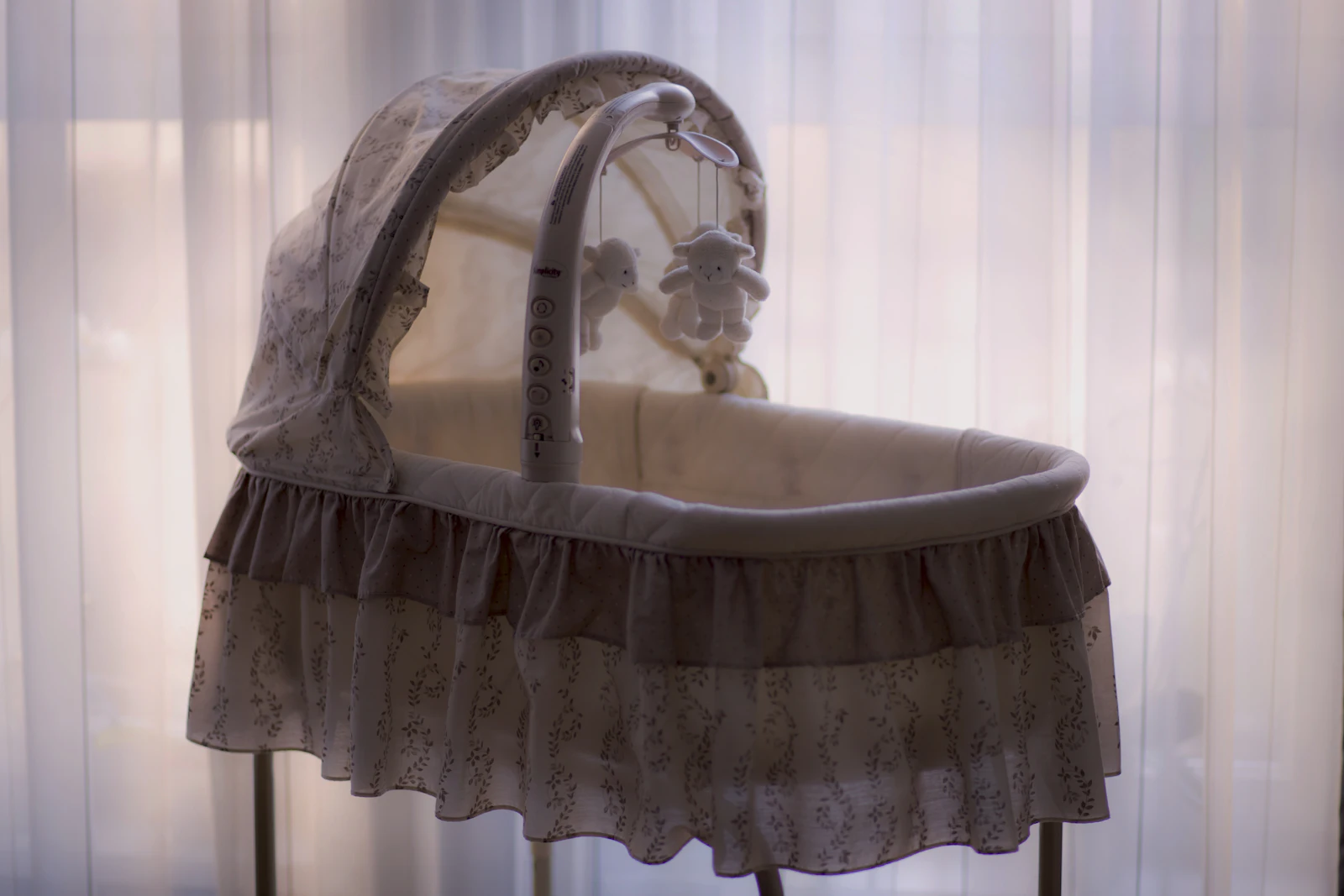
Cot, crib or bassinet
Your baby’s own clear sleep space.
What to look for
- Firm, flat, waterproof mattress that fits snugly
- Bars or sides to current safety standards
- Nothing else inside
SillyBaby is free to use. Some links on this site are affiliate links: if you buy or sign up through them, we may earn a commission at no extra cost to you. How we make money
Sleep
A few simple habits, every sleep, day and night, lower the risk of sudden infant death (SIDS, also called cot death). Here they are in one picture.
Photo: freestocks on Unsplash
Everything here supports the advice above. If a product claims to prevent SIDS, be wary: no product can.
Your baby’s own clear sleep space.
What to look for
Keeps covers off the face.
What to look for
Aim for 16–20°C.
What to look for
We may earn a commission if you book through these links, at no extra cost to you. How we make money.
The US “ABCs” sum it up: babies sleep Alone (in their own space), on their Back, in a Crib (or cot or bassinet).
Never fall asleep with your baby on a sofa or armchair. If you might fall asleep, put your baby in their cot.
Never share a bed if you or your partner smoke, have drunk alcohol, taken drugs or medicine that makes you drowsy, or your baby was premature or low birth weight.
Car seats, swings and bouncers aren’t for sleep at home. Move your baby to a flat sleep space when you can.
The AAP advises against weighted sleep sacks, swaddles and blankets, and inclined sleepers.
A baby sleep bag (also called a sleep sack or wearable blanket) stops covers ending up over your baby's face. Choose one that is the right size for your baby's weight, fits well around the neck and armholes so they can't slip inside, has no hood, and has a TOG (warmth) rating suited to your room. Our post TOG ratings explained has more.
If you swaddle, use a thin material, don't wrap above the shoulders, keep it loose around the hips so the legs can bend up and out, always place your baby on their back, and stop swaddling as soon as your baby shows signs of trying to roll. Swaddles from shops such as Kaiya Baby should still follow these rules.
See baby sleep sacks at Kaiya Baby
Babies who are unwell may need closer watching. Get urgent medical help if your baby stops breathing, turns blue, is floppy or unresponsive: call 999 (UK), 911 (US) or 112 (EU). A baby first aid course (from the Red Cross, St John Ambulance or your local hospital) is time well spent.
Last updated: 18 November 2026

Sleep by age chart, routines, naps and night waking.
Explore →
Feeds, nappies, sleep, crying, checks and your own recovery.
Explore →
What TOG means, room temperature and sleep bag safety.
Explore →
The essentials by age, and the safety labels to check.
Explore →