SillyBaby is free to use. Some links on this site are affiliate links: if you buy or sign up through them, we may earn a commission at no extra cost to you. How we make money
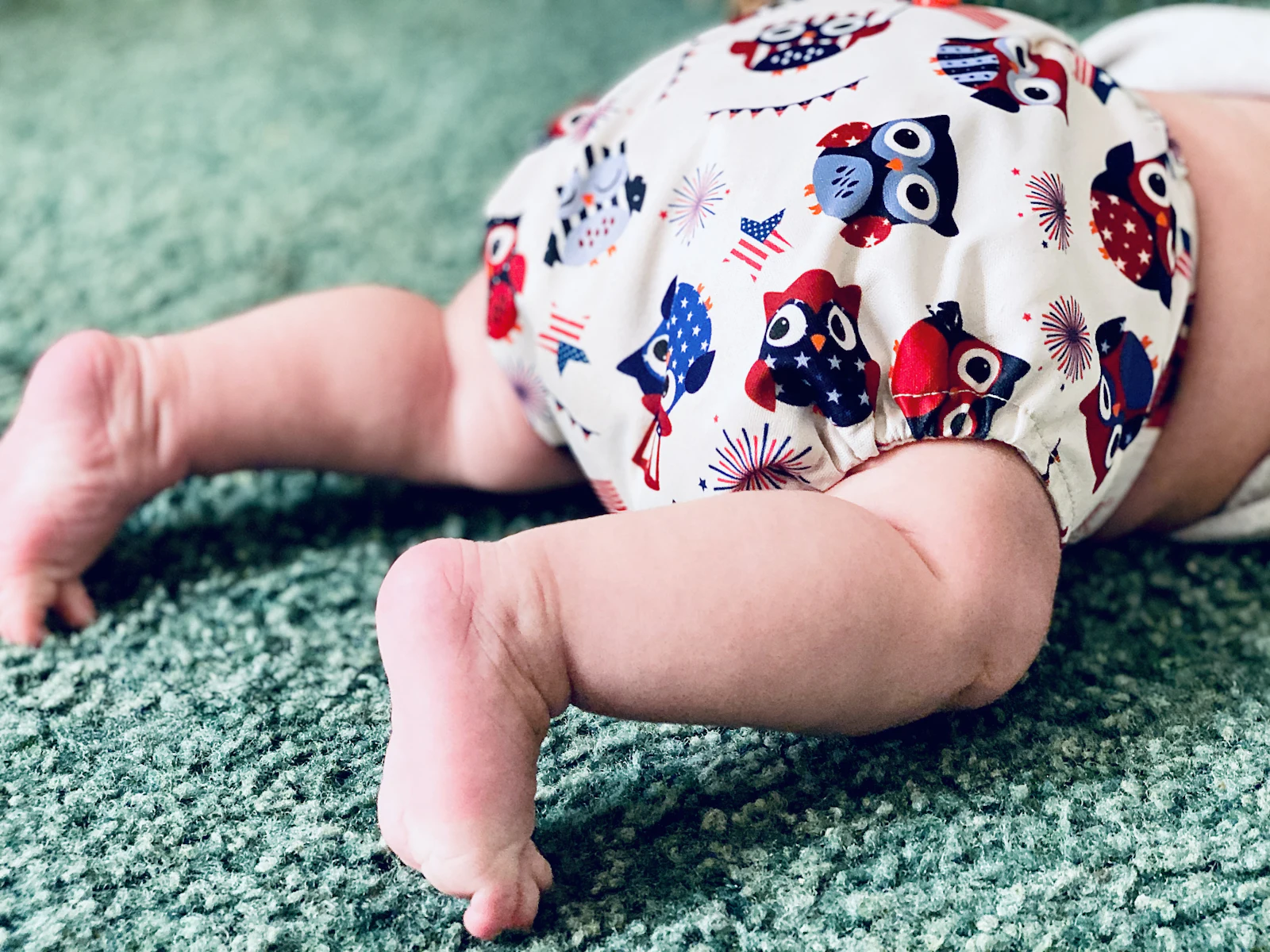
A cloth nappy with a red owl print

Care how-tos

Nappies (diapers), made easy

You will change a lot of nappies, so let us make it quick, clean and comfy, and keep nappy rash away.

Photo: Laura Ohlman on Unsplash

Written by the SillyBaby editorial team Checked against NHS, CDC and AAP guidance Updated Editorial standards

Changing kit

0–3 y

Nappies (diapers)

Disposable, reusable or a mix.

What to look for

  • Right size for weight (check the pack bands)
  • Snug at legs and waist without red marks
  • Reusables: a starter kit before committing
0–3 y

Wipes and barrier cream

Gentle on new skin.

What to look for

  • Water or fragrance-free wipes for newborns
  • A barrier cream recommended by your pharmacist
  • Avoid talc
0–2 y

Changing mat

Wipe-clean and padded.

What to look for

  • Use on the floor if possible
  • Raised changing units: never step away
  • Easy to clean

How to change a nappy in 6 steps

  1. Get everything ready: clean nappy, wipes or cotton wool and warm water, a changing mat, and a bag for the dirty nappy.
  2. Keep one hand on your baby. The floor is the safest place to change them; never leave a baby alone on a raised surface.
  3. Open and wipe away most of the poo with the front of the nappy, then fold it under.
  4. Clean front to back (especially for girls) and in the skin folds. For boys, cover the penis with a cloth so you don't get sprayed.
  5. Let the skin dry, add a thin barrier cream if needed.
  6. Fasten the new nappy snugly but not tight (two fingers at the waist). For newborns, fold it below the cord stump. Wash your hands.

How often, and what is normal

Change your baby's nappy when it is wet or dirty, which in the newborn weeks may be 10 to 12 times a day, then fewer as they grow. Newborn poos change from dark, sticky meconium in the first days to yellow (breastfed) or yellow-brown (formula-fed). Tell your midwife, health visitor or doctor about pale or chalky poo, black poo after the first few days, or blood in the nappy.

Nappy rash: prevention and treatment

Change often

Change wet or dirty nappies as soon as you can.

Gentle cleaning

Water or fragrance-free wipes; pat dry, don’t rub.

Nappy-free time

Let your baby kick without a nappy on a towel.

Barrier cream

A thin layer of barrier cream; ask a pharmacist which.

See a GP, health visitor or doctor if the rash doesn't clear after a few days of treatment, looks bright red with spots spreading into the skin folds (could be thrush), has blisters or pus, or your baby has a fever.

Cloth or disposable?

Both work. Reusable (cloth) nappies cost more at the start and need washing, but can be used many times and for more than one child; disposables are convenient. Some UK councils offer reusable nappy schemes or vouchers, so check your council's website. Whatever you use, make sure it fits well at the legs and waist.

Last updated: 18 November 2026

Frequently asked questions

Should I wake my baby to change a nappy?
Not usually for a wet nappy at night if your baby is comfortable, especially with a good absorbent nappy. Change dirty nappies to protect the skin, and if your baby has nappy rash.
What does a healthy newborn poo look like?
After the dark, sticky meconium of the first days, breastfed babies usually have runny, mustard-yellow poo and formula-fed babies firmer, yellow-brown poo. Pale, chalky, white or black (after the first days) poo should be checked by a health professional.

What can we help with today?