6 m+
High chair and first spoons
For safe, upright, supervised meals.
What to look for
- Five-point harness and a stable, wide base
- Easy-clean tray (you will clean it a lot)
- Meets EN 14988 (UK/EU) or ASTM F404 (US)
SillyBaby is free to use. Some links on this site are affiliate links: if you buy or sign up through them, we may earn a commission at no extra cost to you. How we make money
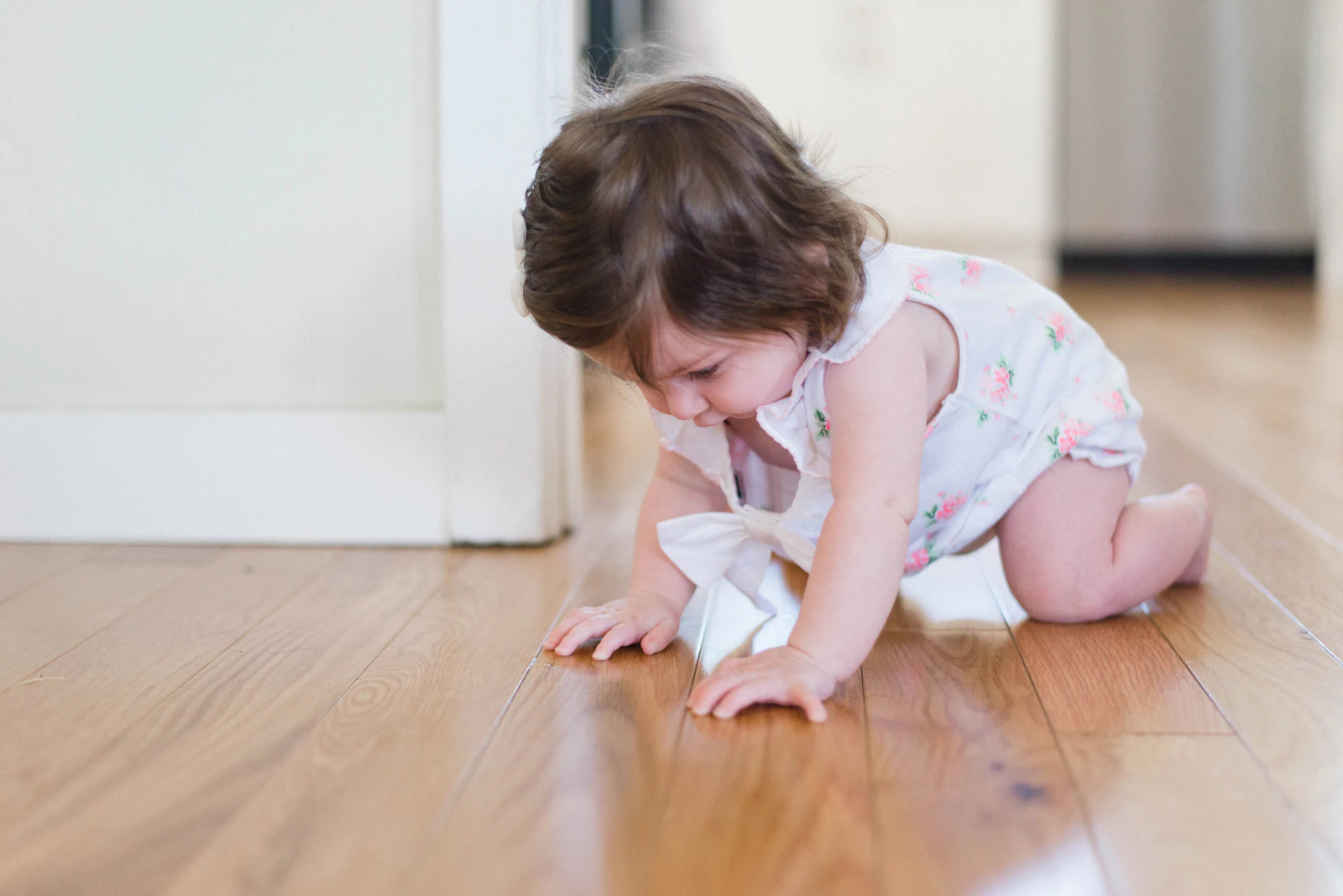
3–12 months
Giggles, rolling, first tastes and first teeth. This is the year your baby goes from lying where you put them to cruising round the furniture.
The things that become useful this year, and the safety checks that matter.
For safe, upright, supervised meals.
What to look for
Fit at the top and bottom of stairs.
What to look for
Size up as your baby grows.
What to look for
For sore gums.
What to look for
We may earn a commission if you book through these links, at no extra cost to you. How we make money.
Based on the CDC's milestone checklists, most babies:
Hold their head steady without support when held, bring hands to mouth, coo and make sounds back to you, and chuckle when you try to make them laugh.
Roll from tummy to back, laugh, reach to grab a toy, and lean on their hands to support themselves when sitting.
Sit without support, make sounds like “mamamama” and “bababababa”, look for things you drop, and may be shy or clingy with strangers.
Pull up to stand, walk holding on to furniture, wave bye-bye, call a parent “mama”, “dada” or a special name, and pick up small things between thumb and finger.
Some babies crawl, some bottom-shuffle and some skip crawling altogether. See the full milestones timeline.
Breast milk or first infant formula stays the main drink for the whole first year. At around 6 months your baby can start solid foods (weaning) when they show all three signs of readiness: sitting up and holding their head steady, coordinating eyes, hands and mouth, and swallowing food rather than pushing it out. The NHS advises not starting before 17 weeks.
Offer a variety of foods, including common allergens such as egg and peanut (in a smooth, age-suitable form), one at a time. No honey before 12 months, no added salt or sugar, and no whole nuts until age 5. Full guide: starting solids.
From about 6 months, offer sips of water from an open or free-flow cup with meals.
Many babies start to sleep for longer stretches at night, but waking is still normal. The American Academy of Sleep Medicine recommends 12 to 16 hours in 24 hours (including naps) for babies aged 4 to 12 months. Keep following safe sleep advice: on the back, clear cot, same room for at least the first 6 months. Once your baby can roll both ways by themselves, you don't need to roll them back. Stop swaddling once they show signs of trying to roll.
First teeth often appear at around 6 months, but anywhere in the first year is normal. Start brushing twice a day as soon as a tooth appears, using a smear of fluoride toothpaste. See teething.
Once your baby is on the move, it is time to childproof: stair gates, anchored furniture, cords and button batteries out of reach, and hot drinks away from the edge. Keep your baby rear-facing in the car for as long as their seat allows (car seats).
Babies 3 to 6 months old with a temperature of 39°C (102.2°F) or higher should be seen urgently (NHS). See fever in children.
Lie face to face, use a mirror or put a toy just out of reach.
Narrate your day, copy their babble and pause for their “reply”.
Teaches that things still exist when hidden (object permanence).
Board books with faces and bright pictures, shared every day.
More in play and learning. The WHO recommends no screen time for babies under 1.
Last updated: 18 November 2026

Readiness signs, first foods, allergens and choking safety.
Explore →
Signs, safe soothing, what to avoid and first brushing.
Explore →
What most children do by each age, 2 months to 5 years.
Explore →
Room-by-room checklist and the hidden dangers.
Explore →