6 m–3 y
Stacking and sorting
What to look for
- No small parts for under-3s (CE / UKCA or ASTM F963 labelled)
- Easy to wipe clean
SillyBaby is free to use. Some links on this site are affiliate links: if you buy or sign up through them, we may earn a commission at no extra cost to you. How we make money
Play & learning
You don’t need fancy toys. Talking, reading, moving and silly games do most of the work. Here are ideas for every age.
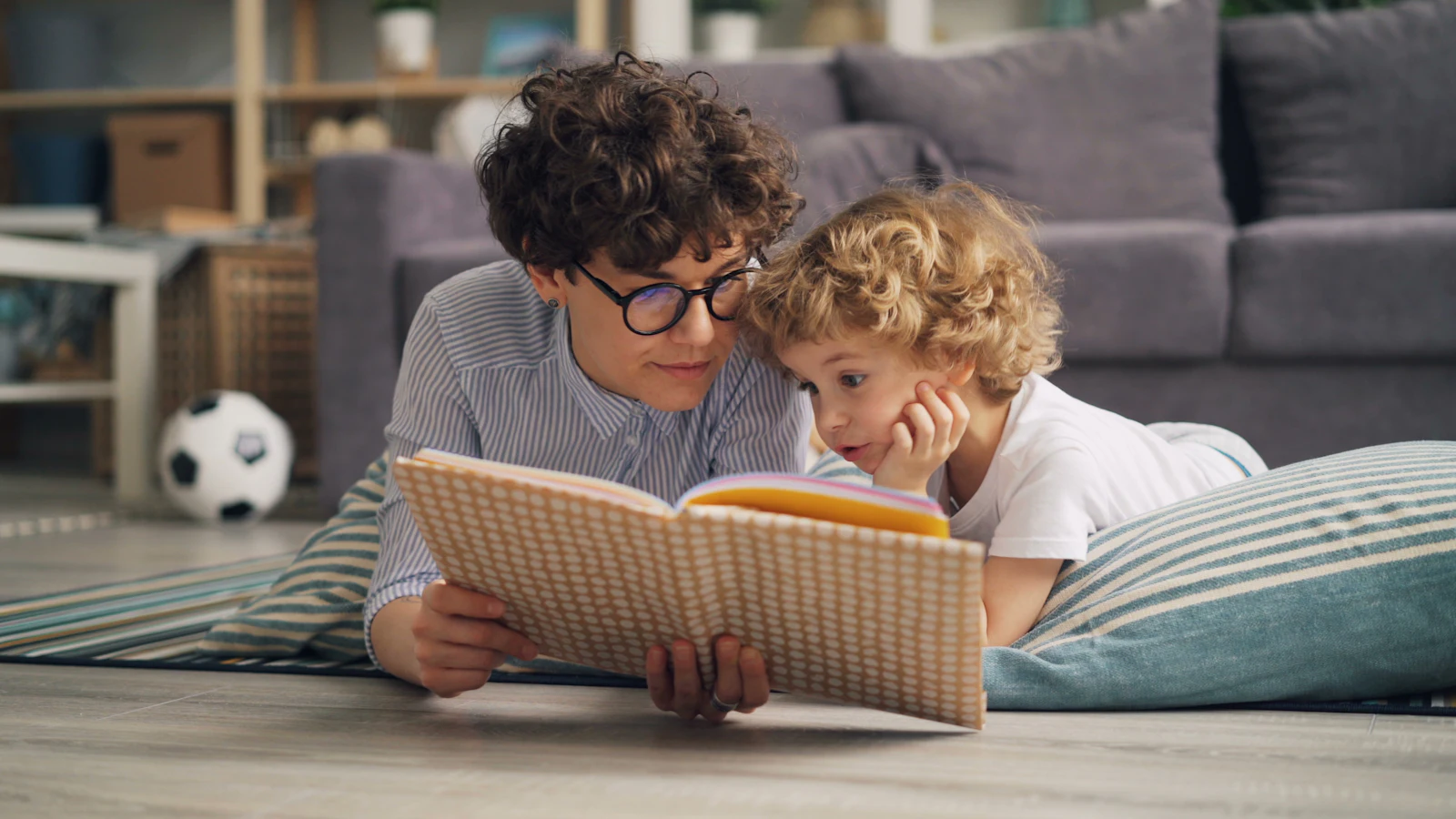
Photo: Vitaly Gariev on Unsplash
A few open-ended toys beat a mountain of single-use ones.
What to look for
What to look for
What to look for
What to look for
Face-to-face chats, singing, black-and-white pictures, short tummy time on your chest or the floor.
Peekaboo, rattles, stacking cups, banging pots, board books, rolling a ball, splashing in the bath (supervised).
Push-along toys, shape sorters, chunky crayons, sand and water, dancing, simple pretend play (“tea party”).
Dress-up, building, play dough, puzzles, scooting and balance bikes, nature walks, counting and rhyming games.
Board games, Lego, crafts, cooking together, bikes, swimming, clubs and sports, reading together.
Hobbies, team sports, chess and strategy games, coding, music, building dens, longer books and graphic novels.
| Age | WHO (2019) | AAP |
|---|---|---|
| Under 1 | No screen time | Avoid screens other than video-chatting under 18–24 months |
| 1 year | No sedentary screen time | If introducing media from 18 months, choose high-quality and watch together |
| 2–4 years | No more than 1 hour a day; less is better | 2–5 years: about 1 hour a day of high-quality programmes, co-viewed |
| 5+ years | — | Make a family media plan that protects sleep, activity and family time |
The WHO and UK Chief Medical Officers recommend babies are active several times a day, including at least 30 minutes of tummy time spread through the day; 1 to 4 year olds at least 180 minutes of activity a day (for 3 to 4 year olds, including at least 60 minutes of energetic play); and children aged 5 and over an average of at least 60 minutes of moderate-to-vigorous activity a day.
Sharing books every day, from birth, builds language and closeness. Free schemes include Bookstart (BookTrust, England and Wales) and Dolly Parton's Imagination Library (free books by post in participating areas of the US, UK and other countries). Your local library card is free too.
Last updated: 18 November 2026

What most children do by each age, 2 months to 5 years.
Explore →
Walking, words, tantrums, food and potty readiness.
Explore →
Play, feelings, friendships and getting school-ready.
Explore →
Official sources, free helplines and experts worth following.
Explore →