18 m–3 y
Potty or toilet trainer seat
Some children prefer one, some the other.
What to look for
- Stable, won’t tip
- Splash guard for boys
- Easy to clean
SillyBaby is free to use. Some links on this site are affiliate links: if you buy or sign up through them, we may earn a commission at no extra cost to you. How we make money
Care how-tos
There is no prize for being first. Waiting until your child is ready usually makes potty training quicker and happier for everyone.
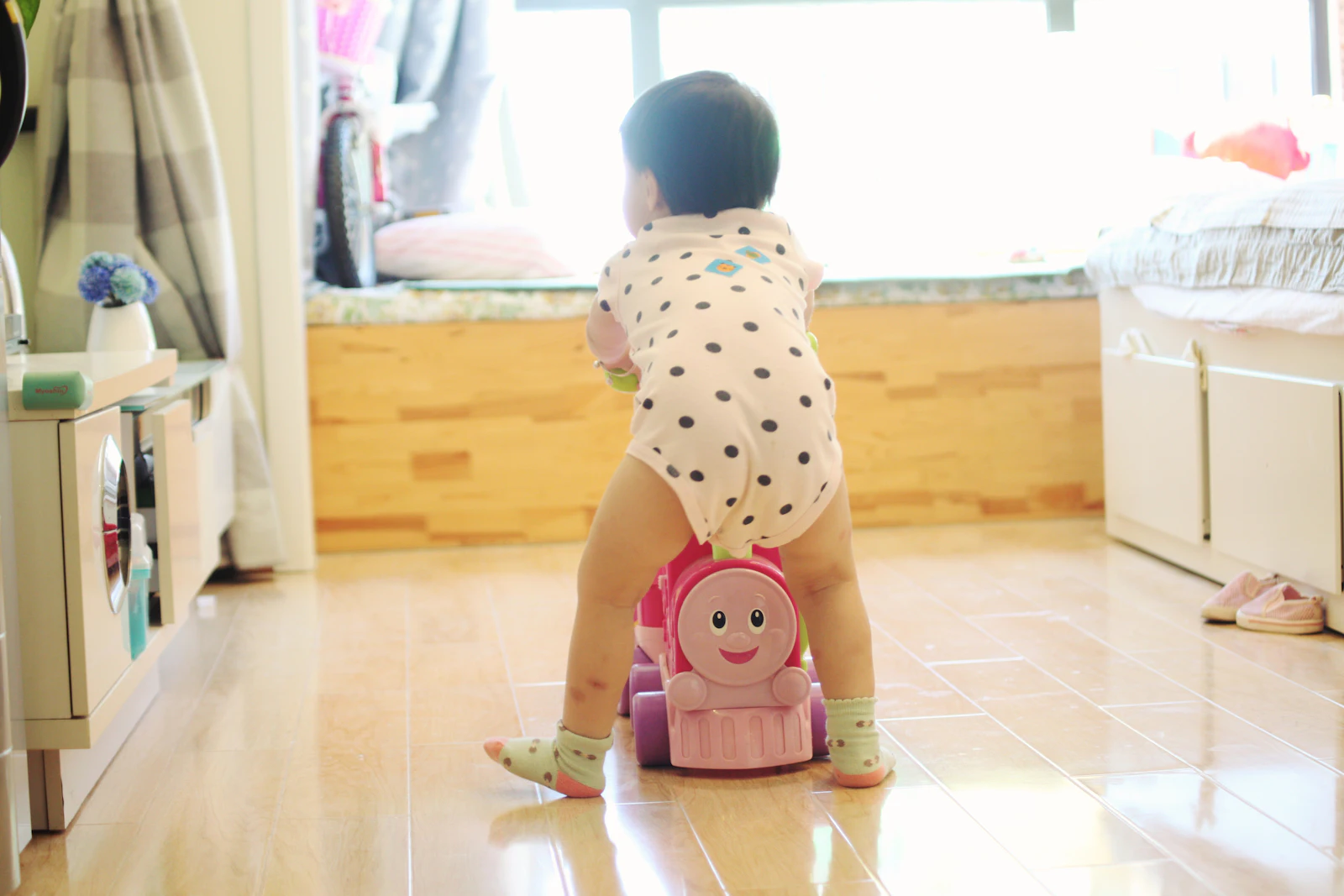
Photo: hoylee song on Unsplash
Some children prefer one, some the other.
What to look for
For the toilet and the sink.
What to look for
Make it fun and familiar.
What to look for
Tells you, or hides, while weeing or pooing.
Stays dry for an hour or two.
Pulls at a wet or dirty nappy, or says they don’t like it.
Understands simple instructions and can pull trousers down and up with help.
Many children show these signs between about 18 months and 3 years. Every child is different.
Accidents are part of learning. Clean up calmly without fuss or punishment. If your child is upset or resisting, it is fine to go back to nappies for a few weeks and try again later. Constipation can make potty training harder; tell your GP or health visitor if your child's poos are hard or painful.
Staying dry at night usually comes later than daytime dryness. Bedwetting is common in young children and, according to the NHS, isn't usually a concern in children under 5. Talk to your GP if it continues after 5, starts again after a long dry spell, or worries your child.
Last updated: 18 November 2026


