3 m+
Teething rings and toys
Safe things to chew.
What to look for
- Solid, not liquid-filled
- Cool in the fridge, not the freezer
- No beads, cords or necklaces
SillyBaby is free to use. Some links on this site are affiliate links: if you buy or sign up through them, we may earn a commission at no extra cost to you. How we make money
Care how-tos
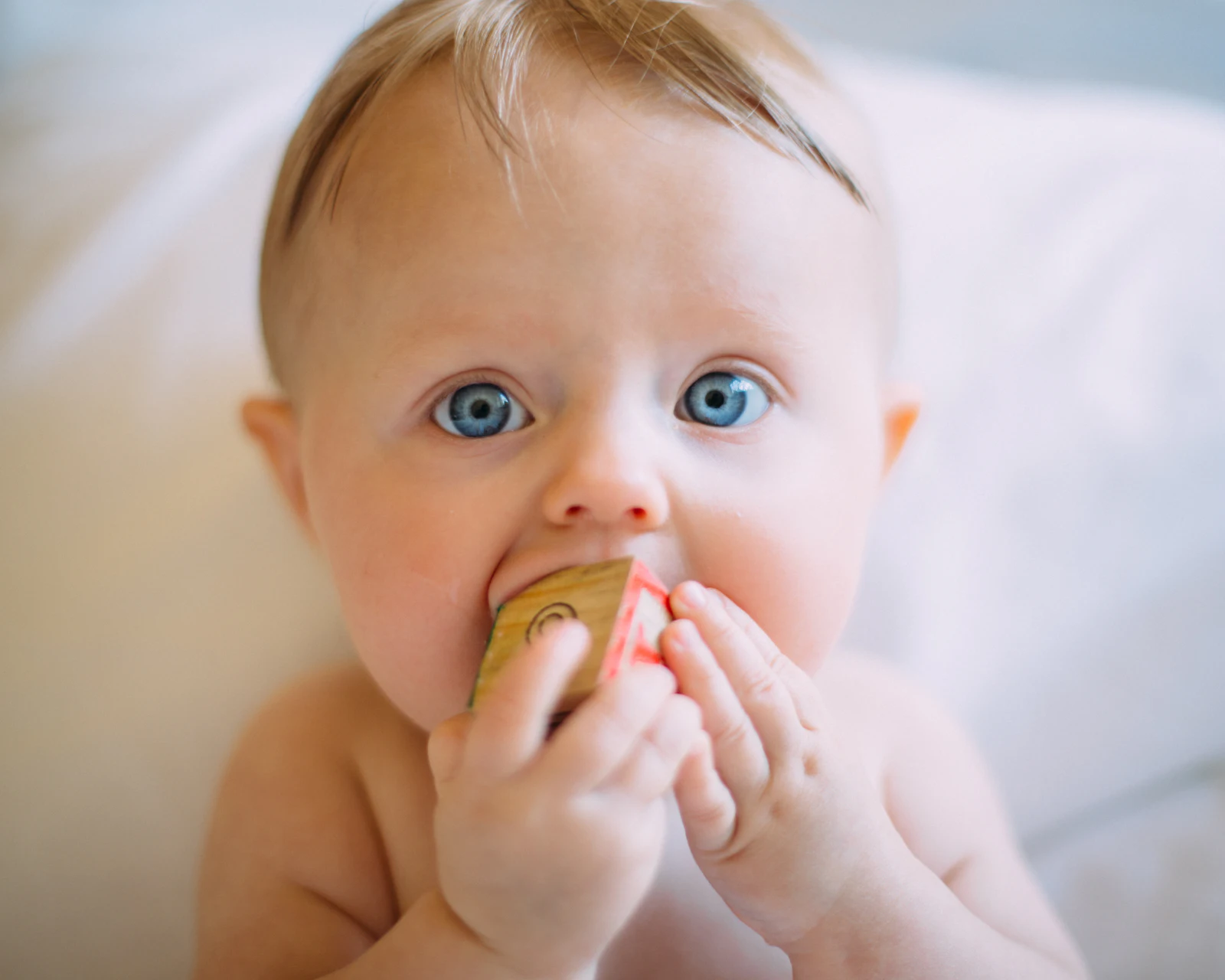
Dribble, chewing everything, red cheeks and the odd grumpy night. Here is what helps sore gums, what to avoid and how to look after those first teeth.
Photo: Colin Maynard on Unsplash
Safe things to chew.
What to look for
Start the habit early.
What to look for
Keep chins dry and avoid rashes.
What to look for
The NHS says some babies are born with their first teeth, while others start teething before 4 months and some after 12 months, but most start at around 6 months. Most children have all 20 baby teeth by about 2½ years.
Teething doesn't cause a high temperature (38°C or more) or diarrhoea. If your baby has these, look for another cause and get advice. See fever.
A clean, solid teething ring cooled in the fridge (not the freezer).
Gently rub the gum with a clean finger.
For babies over 6 months: chilled cucumber or carrot sticks, supervised.
Cuddles, distraction and extra patience.
If your baby is in pain, ask a pharmacist about sugar-free paracetamol or ibuprofen suitable for their age.
Start brushing as soon as the first tooth appears, twice a day (last thing at night and one other time). NHS advice: under 3s, a smear of toothpaste with at least 1,000ppm fluoride; 3 to 6 year olds, a pea-sized amount with 1,000 to 1,500ppm. Spit, don't rinse. Take your child to the dentist when the first teeth appear (NHS dental care is free for under-18s in the UK); the AAP and American Academy of Pediatric Dentistry advise a first dental visit by the first birthday.
Last updated: 18 November 2026


