Birth to ~12–15 m
Infant carrier (stage 1)
Rear-facing and portable.
What to look for
- UN R129 (i-Size) or FMVSS 213 approved
- Fits your car: check the maker’s fit list
- Newborn insert and correct recline
SillyBaby is free to use. Some links on this site are affiliate links: if you buy or sign up through them, we may earn a commission at no extra cost to you. How we make money
Safety
A correctly fitted car seat is one of the most important things you will buy. Here are the stages, the rules and the checks that matter.
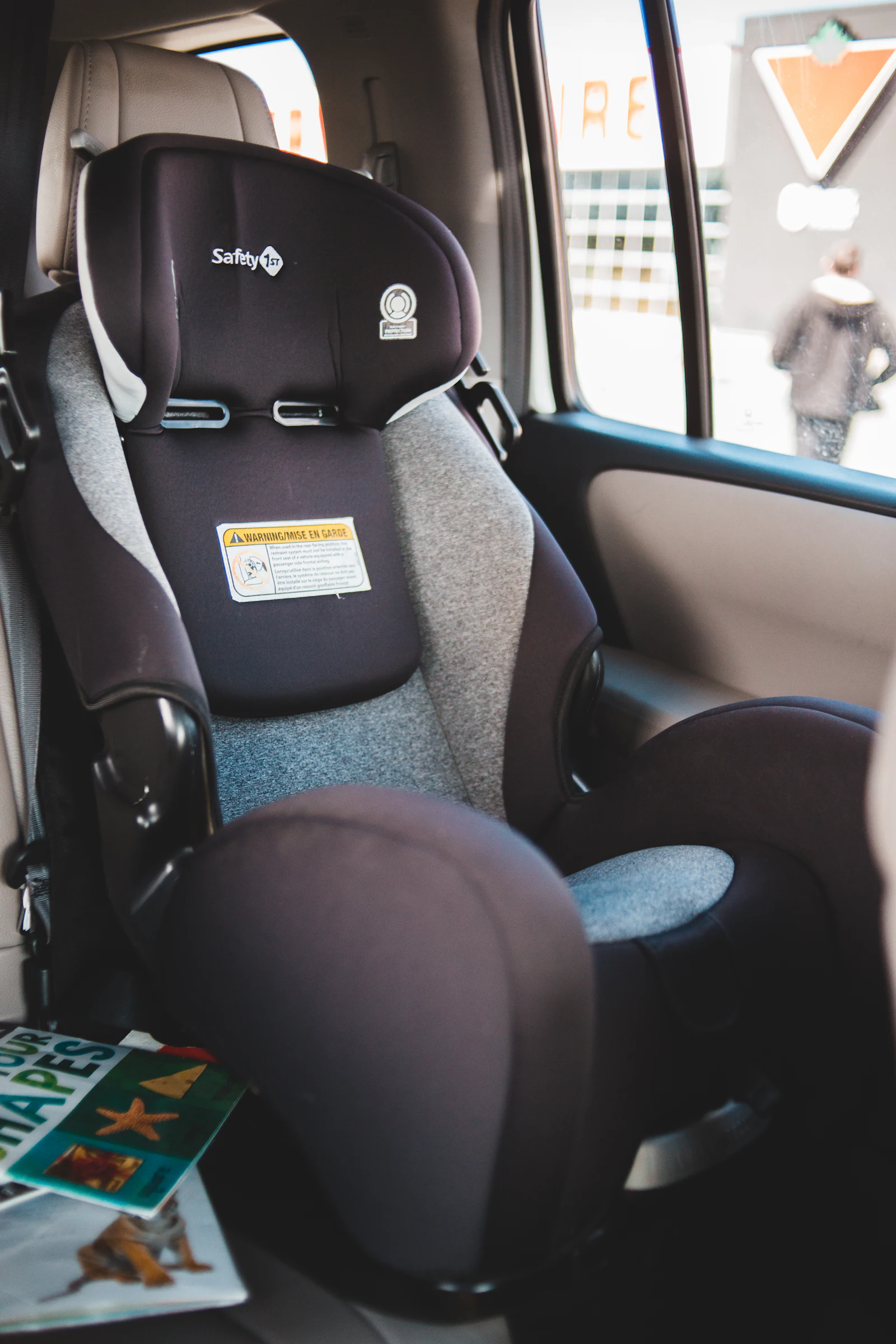
Photo: Erik Mclean on Unsplash
Labels to look for, and the questions to ask in store or online.
Rear-facing and portable.
What to look for
Keeps children rear-facing for longer.
What to look for
Positions the adult belt correctly.
What to look for
| Where | Main rules |
|---|---|
| UK | Children must use a child car seat until they are 12 years old or 135cm tall, whichever comes first. Only EU-approved seats (R44 or R129) can be used. Never fit a rear-facing seat in front of an active airbag. Under R129 (i-Size), babies stay rear-facing until at least 15 months. |
| EU | EU law requires children under 150cm to use an approved child restraint (some countries set 135cm). New seats are approved to UN R129 (i-Size). |
| US | Laws vary by state. The AAP advises rear-facing for as long as possible, until the highest height or weight the seat allows, then a forward-facing harness, then a belt-positioning booster until the seat belt fits (usually at about 4 ft 9 in / 145cm, between ages 8 and 12). Children under 13 should ride in the back seat. Seats must meet FMVSS 213. |
Avoid second-hand car seats unless you know their full history: a seat that has been in a crash may be damaged in ways you can't see, and seats have expiry dates in the US. Free fitting help: in the US, a certified Child Passenger Safety Technician via NHTSA; in the UK, many retailers offer fitting checks, and childcarseats.org.uk (RoSPA) explains the rules.
Last updated: 18 November 2026

When to get help, vaccines, first aid and safety.
Explore →
The essentials by age, and the safety labels to check.
Explore →
Layers, car seats, safe winter sleep and winter bugs.
Explore →
Feeds, nappies, sleep, crying, checks and your own recovery.
Explore →