3–5 y
Open-ended toys
Toys that can be anything.
What to look for
- Blocks, dress-up, play dough, small-world sets
- Sturdy and age-labelled
- Few toys, rotated, beat many toys at once
SillyBaby is free to use. Some links on this site are affiliate links: if you buy or sign up through them, we may earn a commission at no extra cost to you. How we make money
3–5 years
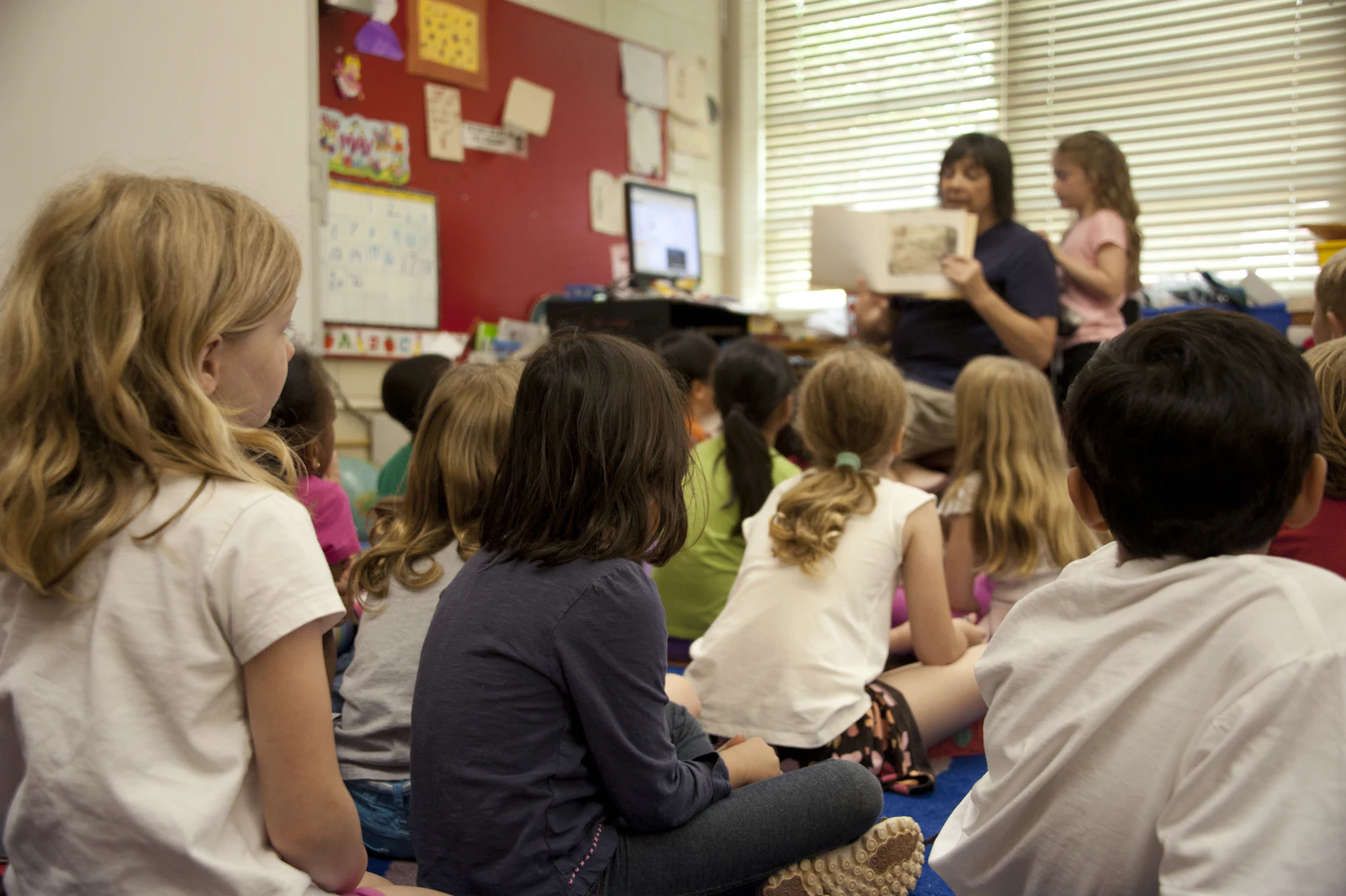
“Why?” on repeat, epic pretend play and growing independence. Here is how to help your preschooler thrive and get ready for school.
Things that support play, independence and safety at 3 to 5.
Toys that can be anything.
What to look for
Daily reading builds language.
What to look for
Great for confidence and coordination.
What to look for
Only move up when the current seat is outgrown.
What to look for
Talks with you in conversation using at least two back-and-forth exchanges, asks “who, what, where, why” questions, puts on some clothes by themselves, and draws a circle when shown how.
Says sentences of four or more words, pretends to be something else during play, catches a large ball most of the time, and serves themselves food with help.
Tells a story with at least two events, counts to 10, hops on one foot, buttons some buttons, and follows rules or takes turns in simple games.
Milestones from the CDC. In the UK, children's development is also reviewed at school entry.
Play is how preschoolers learn. Pretend play builds language and empathy, building and puzzles build problem-solving, and running, climbing and riding build strength and coordination.
More ideas in play and learning.
Preschoolers start to play with other children rather than alongside them, learn to share and take turns, and begin to name their feelings. Help by naming emotions, praising effort (“you kept trying!”), and keeping rules simple and consistent.
In England, children usually start Reception in the September after they turn 4 (school is compulsory from the term after their 5th birthday). In the US, kindergarten usually starts at around 5, and pre-K and Head Start programmes vary by state. Helpful skills to practise:
The AASM recommends 10 to 13 hours of sleep in 24 hours (including naps) for 3 to 5 year olds. Keep up dental check-ups and supervised brushing twice a day with a pea-sized amount of fluoride toothpaste. Children should stay in an appropriate car seat or booster (UK law: until 12 years old or 135cm tall). Teach road safety by holding hands and talking through crossings.
Last updated: 18 November 2026

Play ideas, reading, activity and screen time by age.
Explore →
Reading, friends, sleep, teeth and staying safe.
Explore →
What most children do by each age, 2 months to 5 years.
Explore →
Walking, words, tantrums, food and potty readiness.
Explore →