When to pack
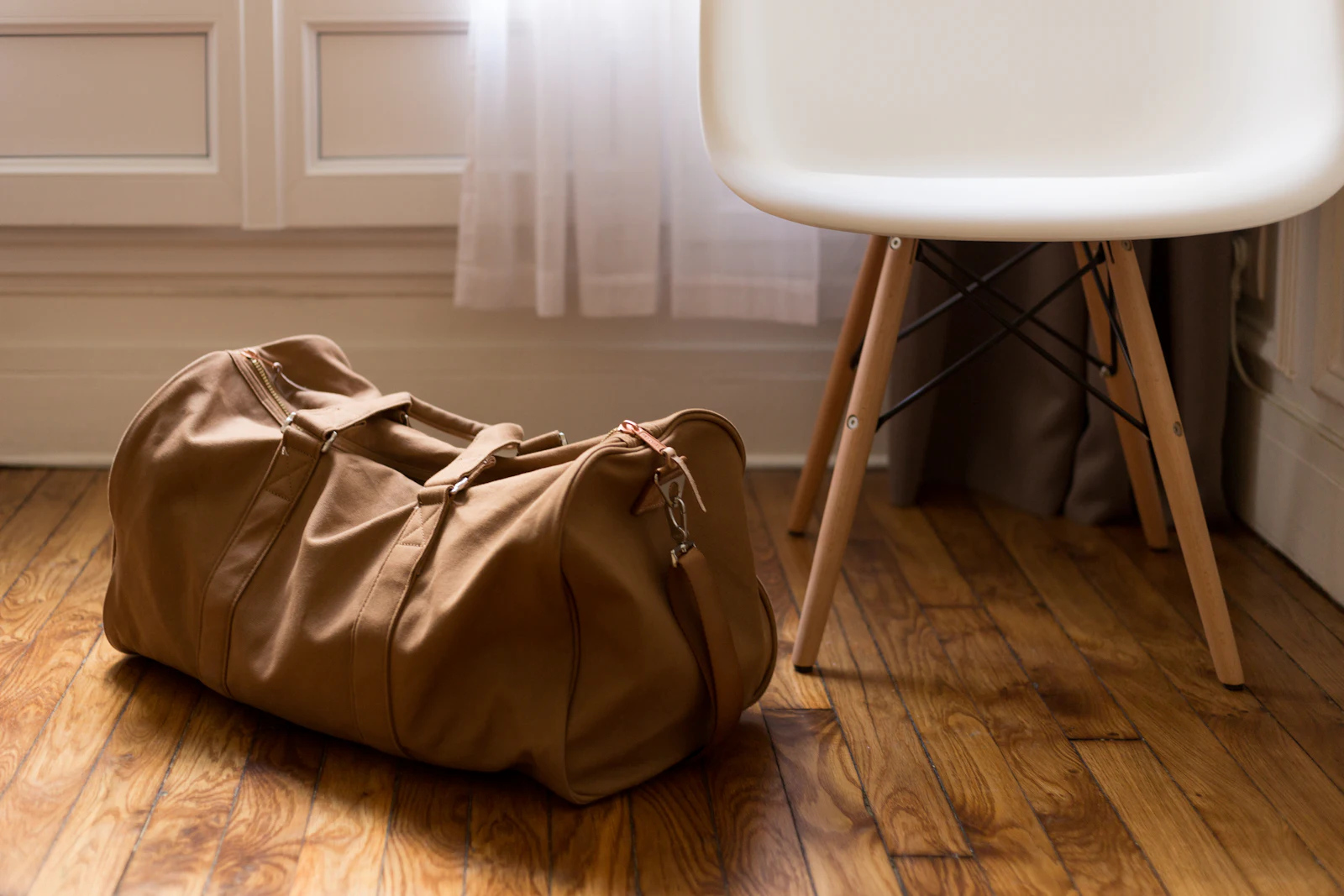
The NHS suggests having your bag ready a few weeks before your due date. Keep it by the door with your maternity notes, and make sure your birth partner knows where it is.
For you
- Your birth plan and maternity notes (or the app your maternity service uses)
- Something loose and comfortable to wear in labour
- A dressing gown, slippers and a few pairs of socks
- 2 or 3 comfortable, supportive bras (nursing bras if you plan to breastfeed) and breast pads
- Maternity pads (plenty) and comfortable, high-waisted pants
- Toiletries, lip balm, hairbands, glasses if you wear them
- Snacks and drinks, a phone and a long charging cable
- A loose, comfy outfit to go home in
- Any medicines you take
For your baby
- Sleepsuits and vests (bodysuits): newborn and 0–3 month sizes, for example these organic cotton bodysuits
- A hat and socks or scratch mittens
- A few nappies (diapers) and cotton wool or fragrance-free wipes
- Muslins or burp cloths
- A shawl or blanket, and a warm outer layer depending on the weather
- If you plan to formula feed: ready-to-feed formula and sterilised bottles (check what your hospital provides)
- A rear-facing car seat fitted in the car before your due date, if you'll drive home. See our car seat guide.
For your birth partner
- Snacks, drinks and a refillable water bottle
- Change of clothes and toiletries
- Phone, charger, a power bank and some change for parking or vending machines
- Something to pass the time in early labour
What you can skip
You don't need lots of outfits for the baby, expensive gadgets or your whole skincare routine. Hospitals and birth centres differ, so ask your midwife or check your maternity unit's website for what they provide (for example, nappies or formula) and any restrictions.
After you get home
Have the basics ready at home: a safe sleep space (see safe sleep), nappies, a few sleep bags or light blankets and feeding supplies. Our baby gear guide and newborn guide cover the first weeks.
Last updated: 18 November 2026


